
Latest in AI Horizon JournalAI Horizon Journal – 4th Edition (July 2026)

 Bern
Bern
 Lisbon
 New York

Making a
positive impact
on the world!
At AlEI, we are pleased to highlight forward-thinking organizations, government agencies, and NGOs that are driving meaningful change towards a sustainable and ethical Al future. Together, we are committed to creating a world where innovation and ethics converge for the benefit of all. This open resource is dedicated to providing an overview of various spheres and organizations across different parts of the world.
34+
Organisations
16+
Expert Advisors
25+
Presented in Countries
4
Internal Committees
AI Alliance
Empowering responsible AI through information sharing and potential collaboration through events, projects and dedicated programs.

Ministry of Digital Transformation (Ukraine)
The Ministry of Digital Transformation of Ukraine is a government body dedicated to modernizing and streamlining public services through digital innovation. Under the leadership of Minister Mykhailo Fedorov, the Ministry champions initiatives that enhance transparency, efficiency, and accessibility across all government levels, driving the development of robust digital infrastructure, e-governance solutions, and advanced cybersecurity measures.

Oleksandr Bornyakov
Deputy Minister of Digital Transformation of Ukraine for IT Development
“We must ensure that AI improves citizen interaction but is safe for people and the state.

European Young Bar Association (EYBA)
The European Young Bar Association is a European non-profit association of young lawyers. Founded over 29 years ago, concretely, on 23 May 1993 in Prague, it brings together young bar associations from across Europe in one representative organisation, providing a unified voice for young lawyers on a continent-wide basis.

Chiara Palombi
President
“AI is transforming our profession – let us ensure it does so guided by ethics, justice, and our enduring commitment to the rule of law.

Ukrainian-Swiss Business Association (USBA)
Ukrainіаn-Swiss Business Association Is an alliance of Ukrainian and Swiss companies and business experts that was established under the support of the Embassy of Ukraine in the Swiss Confederation to promote the interests of Swiss industrial, trade and service companies in Ukraine and Ukrainian companies in Switzerland.
+41 (79) 599-9601
info@ukraine-swiss.ch
Oberhofstetten str 36, 9012 St.Gallen, Switzerland
Read more

Svitlana Olieinikova
Board Member
“AI opens new frontiers for Ukrainian and Swiss enterprises, driving international collaboration and transformative growth.

E-Learning Quality Network (ELQN)
E-Learning Quality Network (ELQN) is the international hub for e-learning excellence. Founded with a vision to elevate the standards of online education, ELQN is a collective of institutions, educators, instructional designers and tech enthusiasts dedicated to fostering quality in the digital learning landscape.

Artemiy Volodin
Board Member
“The transformative power of AI demands immediate, thoughtful action to ensure it benefits humanity and avoids unintended harm.

Board
The Board is an international community of entrepreneurs with an active presence in 10+ countries, uniting over 2,000 business leaders. Our mission is to foster knowledge exchange, mentorship, and collective solutions to the challenges faced by modern enterprises—supported by specialized committees and targeted events.

Iryna Bieriushcheva
CEO
“AI is reshaping modern enterprises, and entrepreneurs must lead with responsibility to drive lasting impact.

Ukraine Schweiz Bern (USB)
USB Board comprises dedicated people with diverse backgrounds. Each member brings a unique perspective and commitment to USB mission and fosters cooperation between Ukraine and Switzerland. The Board leadership and vision are crucial to providing strategic guidance to the organisation and ensuring that efforts align with the core values of compassion, integrity and collaboration.

Olena Krylova
Chairperson
“AI is not just a tool for innovation—it’s a cornerstone for rebuilding and shaping Ukraine’s future with resilience and vision.

The V.K. Mamutov Institute of Economic and Legal Research of the National Academy of Sciences of Ukraine
The V.K. Mamutov Institute of Economic and Legal Research of the National Academy of Sciences of Ukraine is a leading research institution specializing in the interdisciplinary study of law and economics.

Volodymyr Ustymenko
Director
“AI offers significant potential, but it must be integrated within frameworks that prioritize ethical and legal considerations.

Associação Jurídica do Porto
Associação Jurídica do Porto is a dynamic legal association based in Porto, Portugal, dedicated to promoting innovation and progress in the fields of Law and Justice. Through its commitment to interdisciplinary dialogue and knowledge exchange, the association serves as a catalyst for the development of modern legal solutions and responses to contemporary challenges.
N/A
associacaojuridicaporto@gmail.com
Rua Calouste Gulbenkian, 52, Porto, Portugal 4050-144
Read more

Vítor Neves
President
“AI can transform Justice — if we guide it with legal principles, responsibility, and human vision.

hacken.io
Industry Leader
Hacken
Hacken is a global cybersecurity company focused on providing cutting-edge solutions for Web3 and blockchain-based ecosystems. Since its founding in 2017, Hacken has become a trusted name in smart contract auditing, blockchain security consulting, and cyber threat intelligence. The company’s mission is to make the digital world safer by building a security-first culture across crypto, DeFi, and Web3 platforms.

Yevheniia Broshevan
Co-Founder & CBDO
“The importance of security in AI space is growing rapidly, and it's crucial to establish strict standards across the industry. We're proud to join AI Ethics and Integrity International Association and contribute to building a more responsible AI future.

Ukrainian National Bar Association (UNBA)
Ukrainian National Bar Association is the central body regulating the legal profession in Ukraine, representing over 70,000 advocates. It plays a key role in upholding professional standards, promoting justice, and supporting legal profession across the country.

Valentyn Gvozdiy
Vice President
“Artificial intelligence has already become a powerful tool in a lawyer’s professional activity - from information search to the preparation of analytical materials. However, the use of cutting-edge technologies requires clear ethical principles and a high level of responsibility.
ALL2BC
ALL2BC (Portuguese Blockchain Alliance) is a non-profit blockchain association focused on promoting the adoption and understanding of blockchain technology across Portugal. Founded in 2018, ALL2BC connects businesses, academia and public institutions to foster innovation, education and collaboration within the blockchain ecosystem. The association’s mission is to accelerate digital transformation by creating practical use cases, supporting knowledge sharing and building a strong, inclusive blockchain community.

Rui Serapicos
President
“Together with AI-EI, ALL2BC will help convene builders, regulators, academia, and industry to move from discussion to delivery—through practical initiatives that make AI systems more transparent, accountable, and trustworthy.

AIJU (Technological Institute Specialized in Toys, Children's Products and Leisure)
AIJU (Technological Institute Specialized in Toys, Children's Products and Leisure) is a leading technological institute with over 40 years of experience, dedicated to driving innovation in the development of toys, children’s products and leisure items. By optimizing the entire product lifecycle, from initial concept to market launch, AIJU integrates advanced technologies, including AI, applied research and data-driven insights. The institute offers comprehensive technological services, encompassing R&D support, laboratory testing, regulatory compliance, product design and engineering, rapid prototyping, process optimization and market adaptation, all aimed at enhancing product quality, accelerating innovation and strengthening business competitiveness.
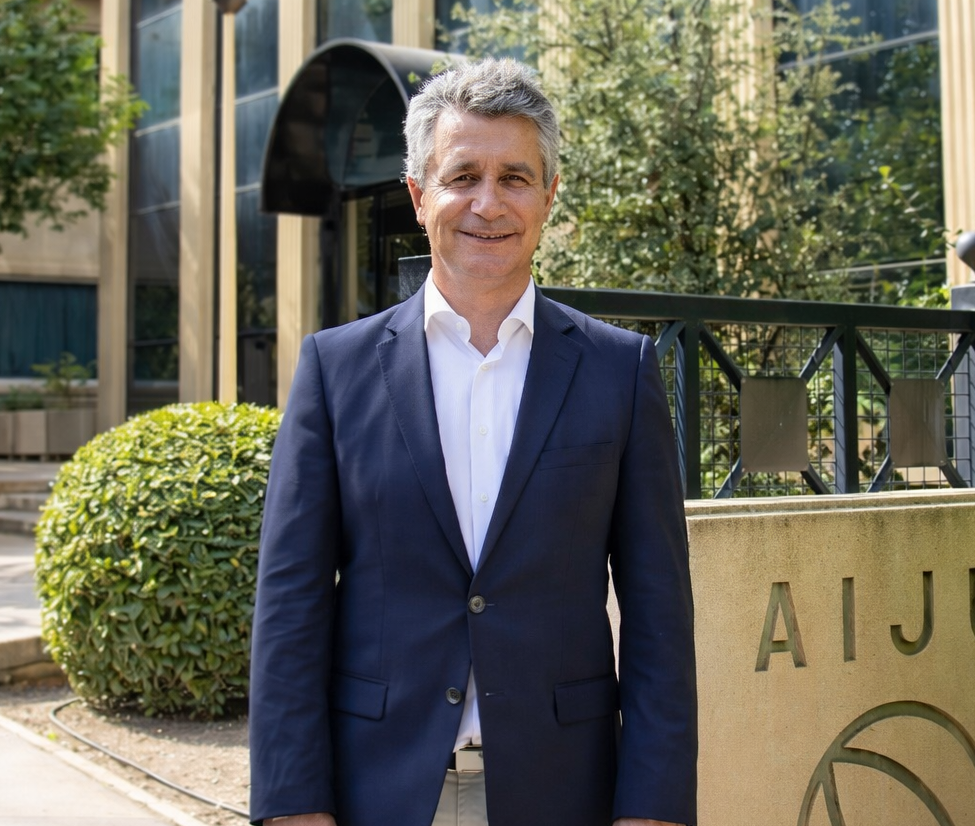
Manuel Aragonés
General Manager of AIJU
“At AIJU, we transform Artificial Intelligence into innovation, efficiency, and talent, focusing on continuously improving service quality, leading in innovation, enhancing operational efficiency, and managing risks, all while keeping people at the center

The Pranava Institute
The Pranava Institute is a New Delhi-based research organisation that works at the intersection of emerging tech, society, policy and design to shape sustainable technological futures. TPI's work spans two verticals: Digital Economy and Tech Geopolitics, as well as Technology, Society, and Design. Areas of work include Responsible Deployment of AI in the Public Sector, Governance of Digital Public Infrastructures (DPIs), Critical Minerals Supply Chains, Semiconductors and Electronics Manufacturing, Trust and Safety Online, and Youth and Digitalisation. They believe in building on India's unique social, cultural and epistemic context to shape emic technological futures.

Shyam Krishnakumar
Executive Director and Co-Founder
“In a rapidly changing world, questions of technology, including AI, need to hear voices of the next generation, which will live with the choices we make today. Our work with youth in India and the world ensures that voices of young people, especially those from the Global South are not just heard, but help us research, think, and co-create a future which is inclusive, desirable, socially conscious, and enables human flourishing.
Valencian Research Institute for Artificial Intelligence (VRAIN)
Valencian Research Institute for Artificial Intelligence (VRAIN) is a leading research center at the Universitat Politècnica de València, comprising over 160 researchers across eight specialized groups. The institute focuses on developing innovative applications in strategic sectors like health, agriculture, industry, robotics, and environmental sustainability. The institute is recognized by the European Commission as an AI research excellence center and participates in initiatives.

Asociación Española para la Inteligencia Artificial (AEPIA)
The Spanish Association for Artificial Intelligence (AEPIA) is a non-profit organization that promotes and encourages the development of artificial intelligence both in Spain and in Latin America. It brings together researchers, students, and institutions through activities like the CAEPIA conference and EVIA Summer School. AEPIA is a member of EurAI, SCIE, and IBERAMIA, fostering collaboration across the AI community. The association also publishes the journal Progress in Artificial Intelligence and supports AI research projects throughout Spain.
ELLIS Alicante
ELLIS Alicante is a private non-profit foundation and part of the European Laboratory for Learning and Intelligent Systems (ELLIS). It is building a world-class scientific team focused on responsible Artificial Intelligence for Social Good, analyzing ethical implications of AI and the relationship between people and intelligent systems. The foundation is involved in various initiatives, including the ELLIOT project, which develops open multi-modal foundation models for robust AI operation in the real world.
+34 965 641 175
info@ellisalicante.org
Muelle de Poniente 5 Distrito Digital 5, Edificio A, Puerto de Alicante 03001 Alicante
Read more
Artificial Intelligence Innovation Alliance (AIIA)
The Artificial Intelligence Innovation Alliance (AIIA) is a collaborative initiative led by ValgrAI, uniting experts and organizations to advance AI research and innovation across Valencia’s innovation ecosystem. The alliance supports knowledge sharing, the development of best practices, and the implementation of ethical standards in AI projects. AIIA also fosters collaboration between businesses and the scientific community to create safe and responsible AI solutions.

Legal Association of the Metaverse and Artificial Intelligence (LEIA)
The Legal Association of the Metaverse and Artificial Intelligence in Spain, is a high-level forum for professionals and academics interested in legal issues related to the metaverse and artificial intelligence. LEIA has established itself as a meeting point for experts in law, technology, and other relevant disciplines. LEIA strives to be a benchmark in generating knowledge and best practices in the field of Artificial Intelligence and metaverse law, thus contributing to the responsible and sustainable development of these technologies in the European context.

Ministry of State for Artificial Intelligence, Digital Economy and Remote Work Applications
Ministry of State for Artificial Intelligence, Digital Economy and Remote Work Applications is a government body driving the UAE’s AI and digital transformation initiatives. The office promotes innovation, develops policies to support ethical and responsible AI adoption, and fosters a thriving digital economy. It also encourages collaboration between government, businesses, and research institutions to ensure technology benefits society safely and effectively.

Artificial Intelligence and Advanced Technology Council (AIATC)
Artificial Intelligence and Advanced Technology Council (AIATC) is a strategic body established by the UAE President to oversee the development and implementation of policies and strategies related to artificial intelligence and advanced technologies in Abu Dhabi. The council aims to position the emirate as a global leader in AI and advanced technology by fostering research, infrastructure development, and investment opportunities. Through collaborations with local and international partners, AIATC strives to create a thriving ecosystem that drives innovation and economic growth in the region.
info@mediaoffice.abudhabi
International Tower, شارع الكرامة, Al Rawdah (W59/01), Abu Dhabi, UAE
Read more

Digital Dubai Authority
Digital Dubai Authority is a government entity, tasked with digitalizing life in Dubai beyond just digitizing government services. The authority aims to position Dubai as the world’s leading city in digital transformation by fostering a trusted and robust digital ecosystem that empowers the digital economy and society. It consolidates efforts from various entities to modernize ICT infrastructure, promote data sharing, and ensure cybersecurity, ultimately striving to make Dubai a global digital capital.
G42
G42 is a leading technology group based in Abu Dhabi, specializing in artificial intelligence and cloud computing. Founded in 2018, the company applies AI to sectors such as healthcare, government, finance, and energy to address complex challenges. G42 collaborates with global partners, including Microsoft and OpenAI, to advance AI capabilities and infrastructure. Its subsidiaries and investment initiatives foster innovation, positioning G42 as a key player in shaping the future of technology in the Middle East.
contact@g42.ai
G42, Capital Gate, 12 Floor Al Khaleej Al Arabi Street Abu Dhabi, United Arab Emirates
Read more

Dubai AI Campus
Dubai AI Campus is an innovation hub located in the Dubai International Financial Centre (DIFC), focused on advancing artificial intelligence and Web 3.0 technologies. The campus provides world-class infrastructure, including R&D facilities, accelerator programs, and collaborative workspaces for AI companies. Through partnerships with global organizations and initiatives like the Dubai AI Academy, the campus supports AI-driven product development and skills development for the region.
Advanced Technology Research Council (ATRC)
Advanced Technology Research Council (ATRC) is a government entity in Abu Dhabi responsible for shaping the emirate's advanced technology research and development ecosystem. Established in May 2020, ATRC drives strategic R&D priorities across various sectors, including AI, quantum computing, robotics, and biotechnology. Through its subsidiaries, Technology Innovation Institute (TII), ASPIRE, and VentureOne, the council fosters innovation, accelerates commercialization, and positions Abu Dhabi as a global hub for advanced technology talent and research.

Qatar Computing Research Institute (QCRI)
Qatar Computing Research Institute (QCRI) is a national, non‑profit research institute under Hamad Bin Khalifa University, supported by Qatar Foundation. It drives advanced applied computing research aligned with Qatar’s national priorities, contributing to its transformation into a knowledge‑based economy. QCRI focuses on areas such as Arabic language technologies, data analytics, cybersecurity, and artificial intelligence. Its work is deeply embedded in Qatar’s long‑term research strategy and supports the broader goals of the Qatar National Vision 2030.

Qatar Foundation
Qatar Foundation (QF) is a non‑profit organization dedicated to education, research & innovation, and community development for the benefit of Qatar and the wider world. It brings together world‑class universities, research centers, and social initiatives to build a knowledge‑based ecosystem. QF actively supports artificial intelligence research and innovation, including Arabic language technologies, digital health, and AI for social impact, through initiatives. Its mission is to unlock human potential, empowering people to tackle future challenges through lifelong learning, innovation, and advanced AI technologies.

The Ministry of Communications and Information Technology (MCIT)
Qatar’s Ministry of Communications and Information Technology (MCIT) is the government body responsible for developing and regulating Qatar’s ICT (information & communications technology) sector. It leads the country’s digital transformation under the framework of Digital Agenda 2030, aligning with Qatar National Vision 2030. MCIT actively promotes artificial intelligence - in 2025 it partnered with Microsoft to launch Azure OpenAI in Qatar, enabling advanced AI models for government and private‑sector use.

Artificial Intelligence Association at Qatar University
The Artificial Intelligence Association (AIQU) at Qatar University is a student-led club that empowers QU students to explore and innovate in the field of artificial intelligence. It organizes events like the annual AI Week, workshops, and expert‑led seminars to build a community around AI. The club promotes creative experimentation, enabling students to work on projects that contribute to both academic growth and social impact.

Qatar Center for Artificial Intelligence (QCAI)
Qatar Center for Artificial Intelligence (QCAI), part of QCRI / HBKU, advances AI research from algorithms to intelligent decision-making systems. It focuses on applications in precision medicine, social good, and other real-world domains. The center develops innovative AI models and prototype systems that enhance healthcare, education, and community impact. Its researchers publish in top international venues and contribute to global AI advancements.

Embassy of Ukraine in the Portuguese Republic
The Embassy of Ukraine in Portugal is the official diplomatic mission representing Ukraine’s interests and serving Ukrainian citizens across the Portuguese Republic. Located in Lisbon, the Embassy provides consular support, assistance with documentation, civic services and promotes bilateral cooperation between Ukraine and Portugal – politically, culturally and economically.
emb_pt@mfa.gov.ua embucrania@gmail.com
Avenida das Descobertas, nº18 - Restelo 1400-092 Lisboa - Portugal
Read more

Kişisel Verileri Koruma Kurumu (Personal Data Protection Authority)
Kişisel Verileri Koruma Kurumu is Turkey’s national authority responsible for protecting personal data and ensuring compliance with data protection law. The institution oversees how organizations collect, process and store personal information, including in AI-driven systems. KVKK promotes transparency, accountability and lawful data use, issues regulatory guidance and monitors emerging technologies to ensure they operate within clear legal and ethical standards. Through supervision and enforcement, it supports the development of a secure and trustworthy digital environment.
+90 312 216 50 00
kvkk@hs01.kep.tr
Nasuh Akar Mahallesi 1407. Sok. No:4, 06520 Çankaya/Ankara
Read more
Bilgi Teknolojileri ve İletişim Kurumu (BTK)
Bilgi Teknolojileri ve İletişim Kurumu (BTK) (Information and Communication Technologies Authority) is Turkey’s national regulatory authority for information and communication technologies. The institution oversees telecommunications, internet services and digital infrastructure, ensuring secure, competitive and reliable connectivity across the country. BTK develops and enforces policies that support technological innovation, consumer protection and cybersecurity, while fostering collaboration between government, industry and international partners to strengthen Turkey’s digital ecosystem.
Eskişehir Road 10th Km No:276 06530 Çankaya
Read more

Türkiye Bilimsel ve Teknolojik Araştırma Kurumu (TÜBİTAK)
TÜBİTAK (The Scientific and Technological Research Council of Türkiye) is Turkey’s leading national agency for science, technology and innovation policy. It drives research and development, supports scientific breakthroughs and shapes national STI strategies to foster a competitive knowledge economy. The council promotes innovation and funds cutting-edge projects across academia, industry and government institutions, including emerging tech like AI and digital systems. It develops policies and collaborative programs that enhance scientific capacity, strengthen international research ties and boost technological impact on society and the economy.

Turkish Artificial Intelligence Initiative (TRAI)
Türkiye Artificial Intelligence Initiative is a leading platform in Türkiye dedicated to strengthening the national AI ecosystem and raising awareness about artificial intelligence. It promotes innovation by bringing together stakeholders from industry, academia and startups to collaborate on AI development and adoption. The initiative supports organizations with strategic consulting, training programs and tools to build and implement effective AI strategies. It also organizes events, summits and ecosystem maps that foster knowledge sharing, networking and partnerships across the AI landscape.
Luxembourg AI Factory
The Luxembourg AI Factory is a national initiative designed to accelerate the development and adoption of trustworthy artificial intelligence. It provides infrastructure, expertise, and services that help companies, researchers, and public institutions build and deploy AI solutions. The initiative connects businesses, research organizations, and government partners to support AI innovation across sectors. It is part of a broader European network of AI Factories supporting responsible AI development and adoption.

AI4Belgium
AI4Belgium is a national coalition and strategic initiative coordinating Belgium’s AI ecosystem. It promotes responsible and human-centric AI adoption while connecting public institutions, industry, and academia. The initiative supports policy development, skills and data infrastructure to strengthen Belgium’s position in the European AI landscape. It also acts as a platform for collaboration and guidance on trustworthy AI.
Boulevard Simon Bolivar 30 Bte1, 1000 Bruxelles
Read more

FARI – AI for the Common Good Institute
FARI - AI for the Common Good Institute is a university institute on AI, data and robotics focused on the Common Good. We are jointly initiated by two Brussels universities (VUB & ULB) - uniting interdisciplinary expertise across 10 research groups on AI, data, robotics, social sciences, ethics, and law. The institute conducts research while actively building bridges with public administrations, industry, and citizens. It promotes sustainable approaches to AI, data, and robotics, with a particular focus on key urban and public domains such as health, mobility, sustainable robotics, climate and energy, and the development of a participatory and inclusive society.
AI Vlaanderen (Flemish AI Research Programme)
AI Vlaanderen is a government-funded AI research and innovation programme that coordinates artificial intelligence development across Flemish universities and research centers. It supports collaboration between academia, industry and government to accelerate AI adoption. The programme focuses on responsible, human-centric AI and real-world applications. It also strengthens Belgium’s position in the European AI ecosystem.

Center for AI Safety
The Center for AI Safety is a research and advocacy organization focused on reducing risks from advanced AI systems. It promotes safety standards, conducts research and raises awareness about potential threats from AI. The organization collaborates with experts across academia and industry. It contributes to global discussions on AI risk governance.

Stanford Institute for Human-Centered Artificial Intelligence (HAI)
The Stanford Institute for Human-Centered AI (HAI) is a leading research institute focused on advancing AI in ways that benefit humanity. It conducts interdisciplinary research on AI policy, ethics and governance. The institute produces influential reports and collaborates with governments and industry. It plays a major role in shaping global AI standards and strategies.
Center on AI and Digital Policy (CAIDP)
The Center on AI and Digital Policy (CAIDP) is a nonprofit think tank focused on AI governance, digital rights and public policy. It produces research, policy briefs and recommendations to support ethical, human‑centric AI. CAIDP engages with international governments and multilateral institutions to influence AI regulation. It bridges law, technology and public interest.

Swiss AI Initiative
The Swiss AI Initiative is the world's largest open research initiative dedicated to foundation models in AI, launched in December 2023 by ETH Zurich and EPFL with support from the Alps supercomputer (CSCS) and more than 800 researchers across 10+ Swiss academic institutions. It develops open, trustworthy AI models, software, and datasets while connecting the Swiss AI community with international partners through the ICAIN network.

Globethics
Globethics is an international non-governmental organisation, in consultative status with UN ECOSOC, dedicated to advancing responsible governance and ethical leadership worldwide.

UNIDIR (UN Institute for Disarmament Research)
The United Nations Institute for Disarmament Research (UNIDIR) is an autonomous institution within the United Nations that conducts independent research on pressing global challenges related to disarmament, arms control and international security.
+41 22 917 1141
unidir@un.org
United Nations Institute for Disarmament Research Palais des Nations 1211 Geneva 10
Read more

AIFOD (AI for Developing Countries Forum)
AIFOD (AI for Developing Countries Forum) - an international organization dedicated to harnessing AI's potential for global equity, uniting leaders, innovators, and policymakers from over 150 countries (7,200+ members) to advance inclusive technological development in the Global South.

AI Swiss
AI Swiss is an association dedicated to promoting responsible, ethical, and accessible artificial intelligence. It works to strengthen AI literacy and human-AI co-thinking skills through education, research, and the development of open-source tools. AI Swiss is committed to ensuring that AI enhances human intelligence rather than replacing it, and that everyone can understand, control, and benefit from this technology instead of being shaped by it.
Swiss AI Association
swissAI (Swiss AI Association) connects AI enthusiasts, experts, and companies in Switzerland to promote responsible, human-centric AI. It's also active in Swiss AI policy discussions, such as advocating for sovereign AI infrastructure and clear rules on AI-generated content.

ETH Zurich
ETH Zurich is a leading Swiss public research university, organized into 16 departments spanning architecture and civil engineering, engineering sciences, natural sciences and mathematics, system-oriented natural sciences, and management and social sciences. It conducts world-class research and news coverage on its site currently highlights work in climate science, AI-driven molecular prediction, and materials science.
The Alan Turing Institute
The Alan Turing Institute is the UK's national institute for data science and artificial intelligence, conducting research and applied projects across areas such as environmental and climate challenges, AI safety and frontier AI risks, finance, and critical national infrastructure. Its work spans research projects, blogs, and events on topics like AI ethics, digital twins, social systems modeling, and children's rights in AI governance.

AI Security Institute (AISI)
The AI Security Institute (AISI) is a research organisation within the UK government's Department for Science, Innovation and Technology working towards this goal: building the world's leading understanding of advanced AI risks and solutions, to inform governments so they can keep the public safe.

Laboratory for AI Security Research (LASR)
LASR (Laboratory for AI Security Research) is a UK public-private initiative, launched in 2024 at the NATO Cyber Defence Conference to help identify where risks and opportunities are emerging across the AI ecosystem. It brings together world-leading experts from organisations including Plexal, the University of Oxford, The Alan Turing Institute, Queen's University Belfast and the UK Government, and is dedicated to mitigating security risks to and from AI to strengthen national resilience and support economic growth.

Institute for Standards in Technology & AI Governance (ISTAG)
ISTAG (Institute for Standards in Technology & AI Governance) is a UK-based AI governance institute developing practical frameworks for enterprise AI governance, model oversight, control, auditability, and regulatory alignment. It focuses on four areas — enterprise AI controls, regulatory alignment, model oversight & risk, and sustainability & assurance — with membership open to practitioners across development, architecture, security, ethics, governance, and assurance.

AI Policy Labs
AI Policy Labs is a global public policy thinktank dedicated to exploring the role of Artificial Intelligence and Emerging technologies in addressing global challenges taking into account the challenges posed by technology. Based in London, the organisation's mission is to inform and shape the discussion of AI & Emerging Technologies in all areas and explore efficient utilisation for Social Good.
King’s Institute for Artificial Intelligence
The King’s Institute for Artificial Intelligence brings together the best minds at King’s and beyond to accelerate the development of safe, secure and ethical AI that tackles major national and global challenges.

Oxford Internet Institute (OII)
The Oxford Internet Institute (OII) is a multidisciplinary research and teaching department at the University of Oxford, dedicated to exploring the implications of emerging technologies for how people live, work and govern.
+44 (0)1865 287210
enquiries@oii.ox.ac.uk
Stephen A. Schwarzman Centre for the Humanities University of Oxford Radcliffe Observatory Quarter Woodstock Road Oxford
Read more

Institute for Ethics in AI
The Institute for Ethics in AI brings together world-leading thinkers from philosophy, the humanities, and STEM with leaders in tech, business, government, and civil society, offering independent, research-driven perspectives on AI ethics to shape innovation and public debate. Based in Oxford's Stephen A. Schwarzman Centre for the Humanities and part of the Philosophy Faculty, it runs research programs, events, and initiatives including the Accelerator Fellowship Programme and the Laboratory for Human-Centered AI.
aiethics@philosophy.ox.ac.uk
The Stephen A. Schwarzman Centre for the Humanities Radcliffe Observatory Quarter Woodstock Road Oxford
Read more
Center for Responsible AI Technologies
Center for Responsible AI Technologies is an interdisciplinary research center combining expertise from the Technical University of Munich (TUM), the Munich School of Philosophy (HFPH), and the University of Augsburg (UNIA) in technology sciences, ethics, philosophy, law, and social sciences to study responsible AI in science and society. Its projects span AI in medical imaging (MedAIcine), responsible data usage and software development, and the social impacts of AI in industrial production, alongside workshops and forums such as its PhD and Young Researchers programs.

KI Bundesverband
KI Bundesverband is Germany's largest AI network, based in Berlin and connecting innovative AI and deep-tech companies with established business and politics. It brings together leading AI experts and companies to set common standards and drive innovation, boosts members' visibility through its platform, events, and communication channels, and acts as the AI community's political voice, advocating for strong regulation and funding of AI technologies.
Schiffbauerdamm 40 10117 Berlin
Read more
Institute for AI Governance (FITLO)
FITLO is an independent institute that examines how artificial intelligence can be responsibly positioned, structurally embedded, and effectively integrated into organisations.

Fraunhofer IAIS
Fraunhofer IAIS is a German research institution developing practical AI and machine learning solutions for business and society. It works across industries — finance, healthcare, retail, industry, media, and the public sector — covering areas such as generative and agentic AI, trustworthy/secure AI, quantum computing, and sustainability, while also offering training and publishing research and whitepapers.
Deutsches Forschungszentrum für Künstliche Intelligenz (DFKI)
Deutsches Forschungszentrum für Künstliche Intelligenz (DFKI) is recognized internationally as a major "Center of Excellence" in AI, combining scientific excellence with commercially-oriented value creation and social awareness, guided by the goal of human-centric AI. It spans nine locations across Germany (Kaiserslautern, Saarbrücken, Bremen, Berlin, Darmstadt, and others) with over 25 research departments covering areas from robotics and language technology to autonomous systems and cybersecurity, and it collaborates with international partners such as France's Inria on joint AI research centers.

Digital & AI Community
Digital & AI Community is a Swiss not-for-profit initiative supported by the Canton of Lucerne, uniting businesses, public organizations, and research institutions across Central Switzerland to accelerate the responsible adoption of artificial intelligence and digitalization. The community serves as a neutral hub for knowledge exchange, practical guidance, and peer-to-peer learning with a strong focus on bringing hands-on, applied AI to local small and medium-sized enterprises in an ethical and sustainable way. By connecting regional companies with vetted solution providers, experts, and academic partners, Digital & AI Community fosters a collaborative ecosystem where AI becomes tangible, accessible, and creates measurable business value.

Dario Röösli
CEO
“For SMEs, AI is a competitive necessity today; but only if it delivers tangible results and is adopted responsibly. Together with our community, we build the ecosystem that makes that possible.
Recent Highlights
Stay updated on our recent events, research, articles, and new partnerships
AI Alliance

The role of the state in the development of AI
Article by Oleksandr Bornyakov – Acting Minister of Digital Transformation of Ukraine How would you…
Read more Insights

Q&A: Sandbox by the Ministry of Digital Transformation of Ukraine
Today, artificial intelligence is rapidly transforming every sector, and the public sector is no exception.…
Read more
Insights

Ukraine’s Ministry of Digital Transformation Advances AI Infrastructure with AI Factory
The Ministry of Digital Transformation of Ukraine has announced the launch of the AI Factory…
Read more
AI Alliance
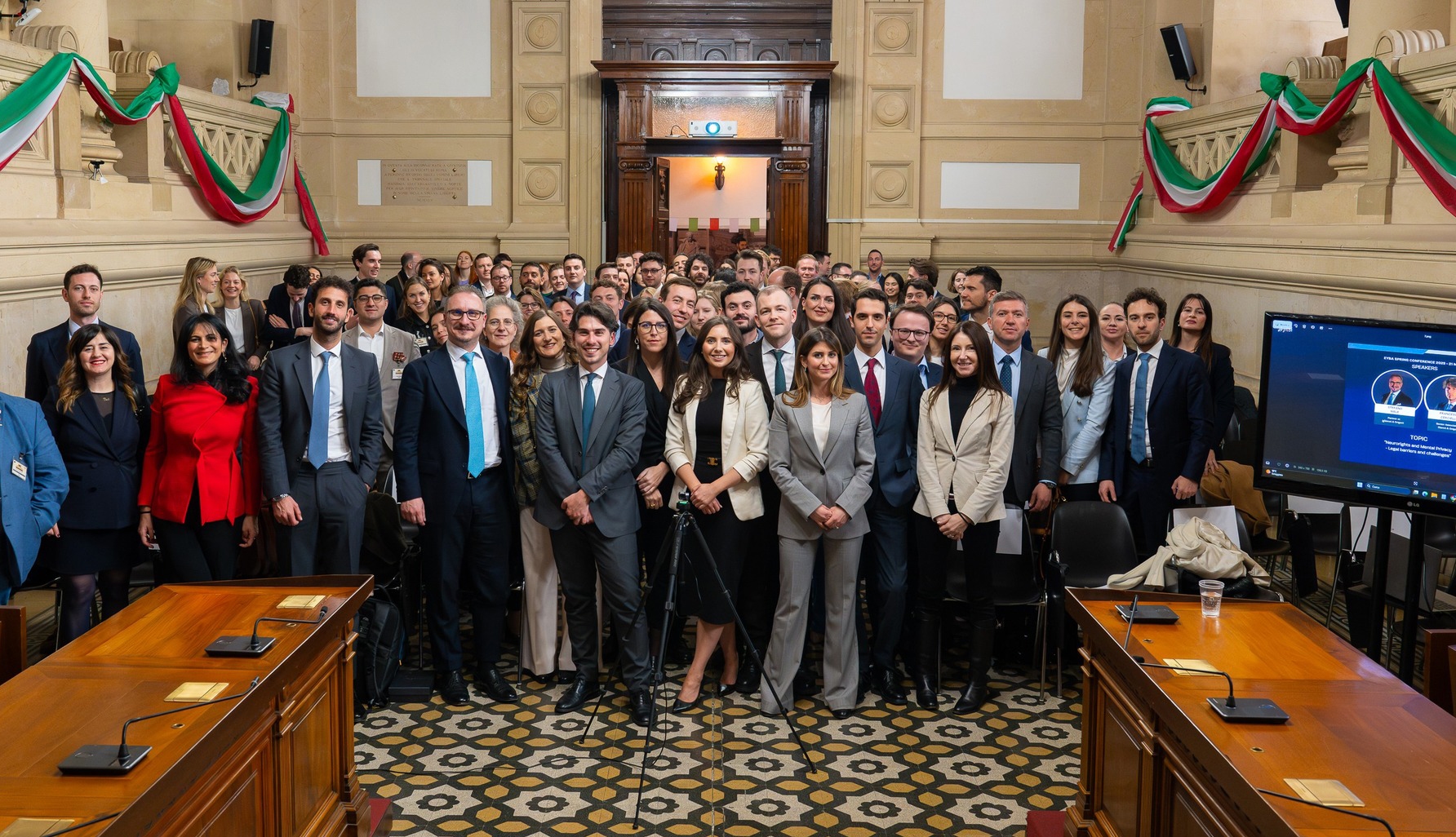
AIEI at the EYBA International Conference in Rome: Legal AI, Strategic Partnerships, and the Role of Young Lawyers
AIEI at the EYBA International Conference in Rome: Legal AI, Strategic Partnerships, and the Role…
Read more
AI Alliance

Balance between Innovation and Human Safety: Ukraine presented the White Paper on AI Regulation
Balance between Innovation and Human Safety: Ukraine presented the White Paper on AI Regulation The…
Read more
Insights

Ukraine Launching Sandbox for AI and WEB3
Ukraine Launching Sandbox for AI and WEB3 Image Source: thedigital.gov.ua The Ukrainian government has approved…
Read more

Join Us in Shaping the Future of Ethical AI!
Join us as a member and play a vital role in shaping a future where AI is created responsibly, with integrity, transparency, and fairness at its core.